
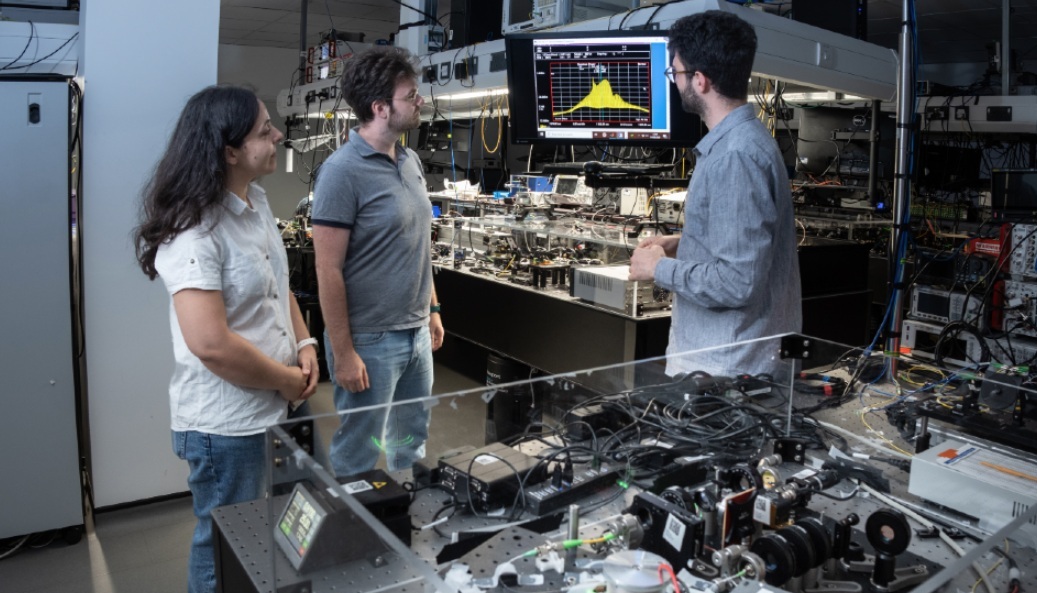
A tiny chip developed by at Loughborough University and international partners could help future communications systems carry more information with greater precision.
The device produces a carefully organised spectrum of light, sometimes described as a microcomb, that can be converted into multiple high-frequency millimetre-wave signals.
Researchers say the approach could support higher-capacity 6G communications as well as extremely precise timing for quantum technologies. Because the chip is around the size of a grain of rice, the work also points towards more compact systems.
The is still part of the longer road towards future networks, but it is a good example of UK science pushing the technology forward before 6G reaches everyday devices.