
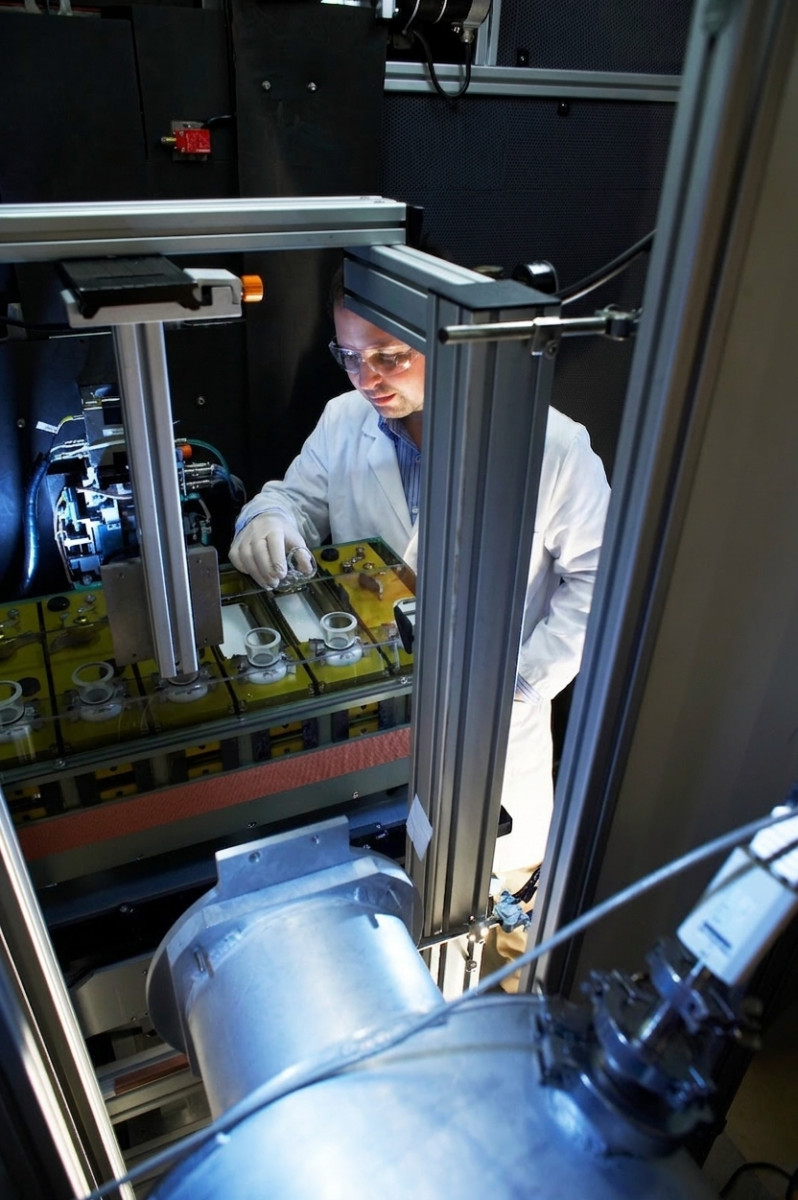
Scientists at the University of Manchester have produced that changes a long-standing understanding of fibrinogen, one of the proteins central to blood clotting and wound healing.
The team studied what happens when fibrinogen comes into contact with air and found behaviour that challenges assumptions used for around two decades.
Understanding the physical behaviour of clotting proteins matters because wound healing depends on a carefully coordinated sequence of biological and mechanical processes. Better models can eventually help design improved and materials.
The discovery does not translate into a new dressing or overnight, but it gives scientists a more accurate foundation for future work on how wounds close and repair.